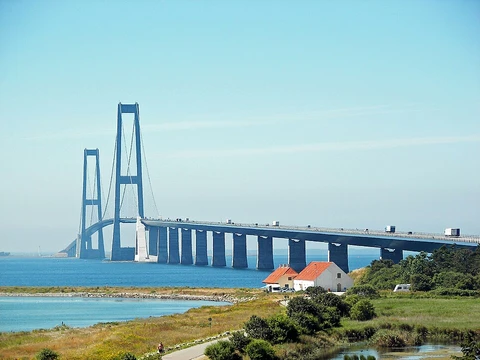
Confederation Bridge
Canada's longest bridge and world's longest over ice-covered water.

via Wikipedia: Confederation Bridge · see source
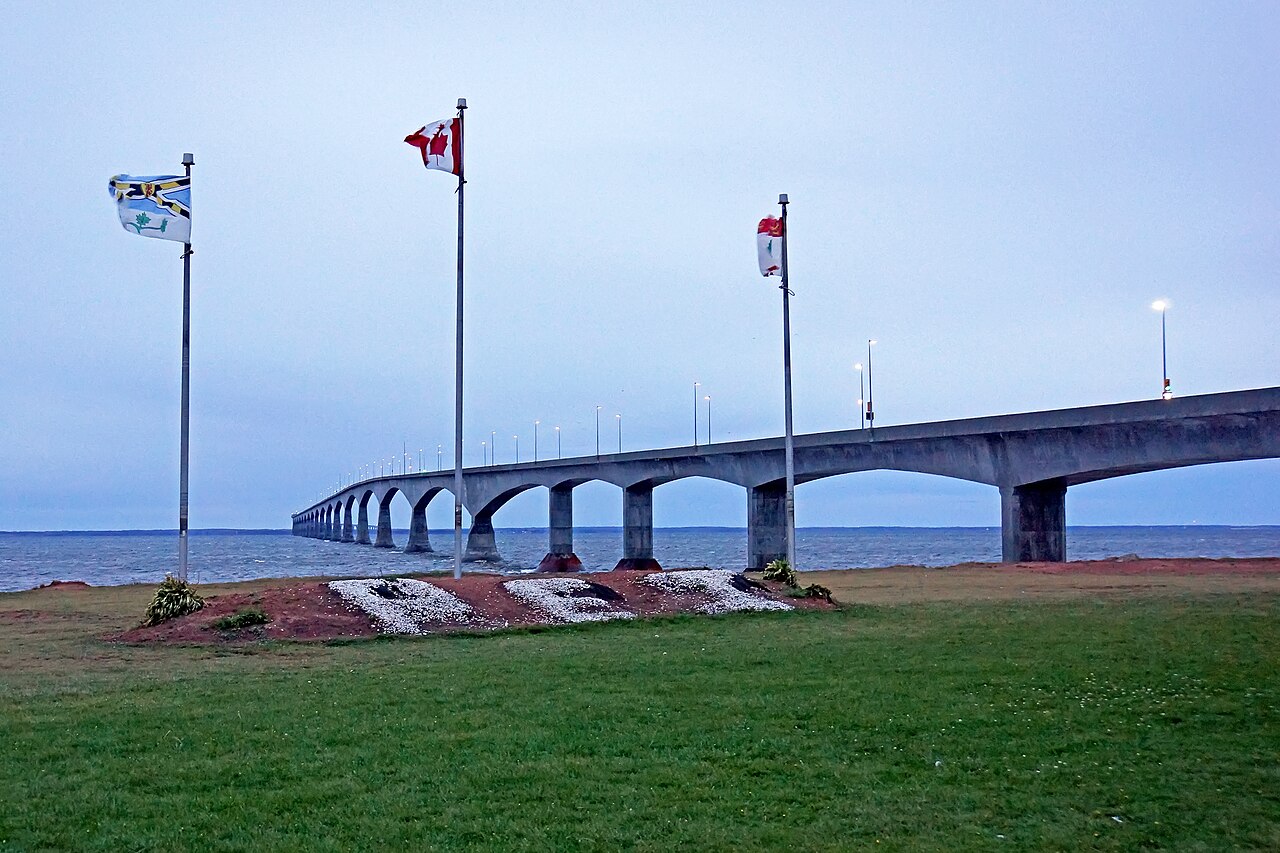
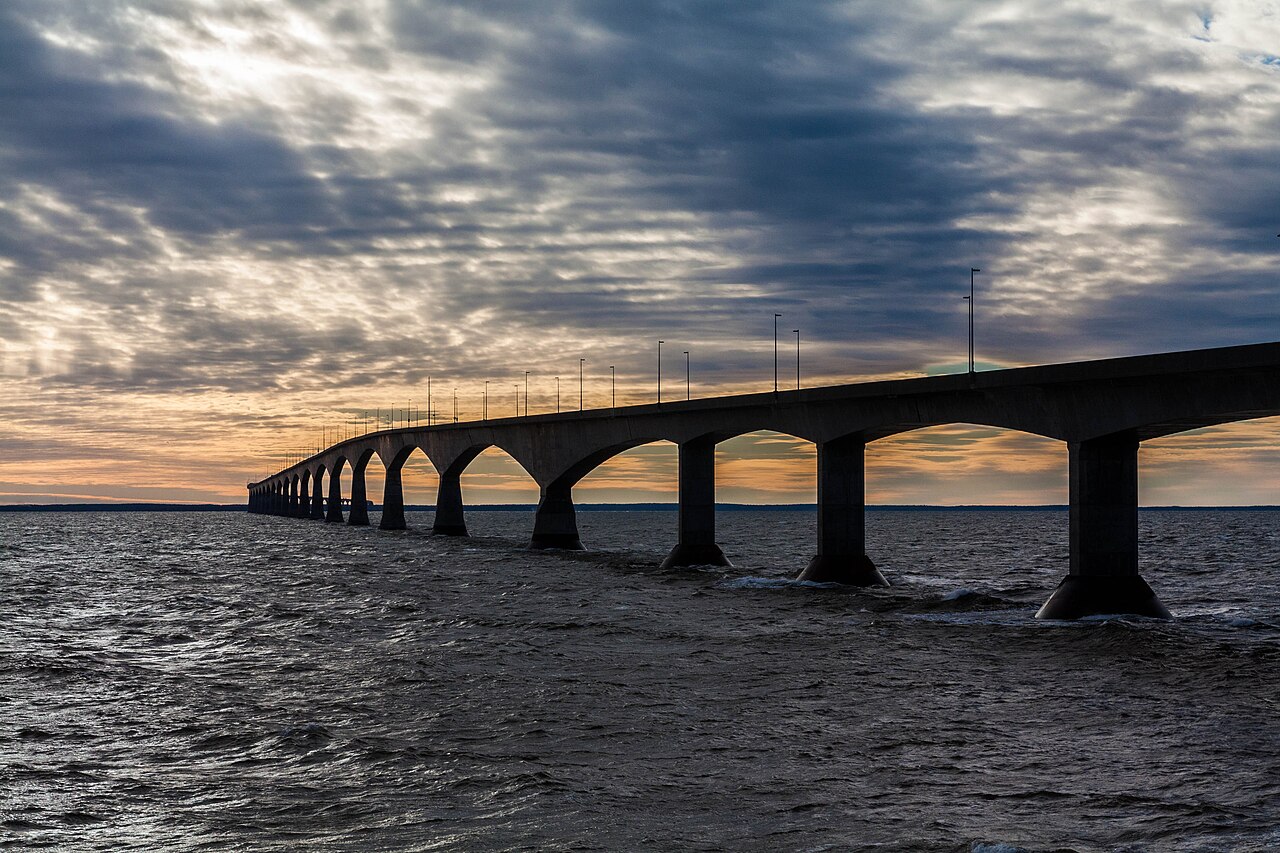
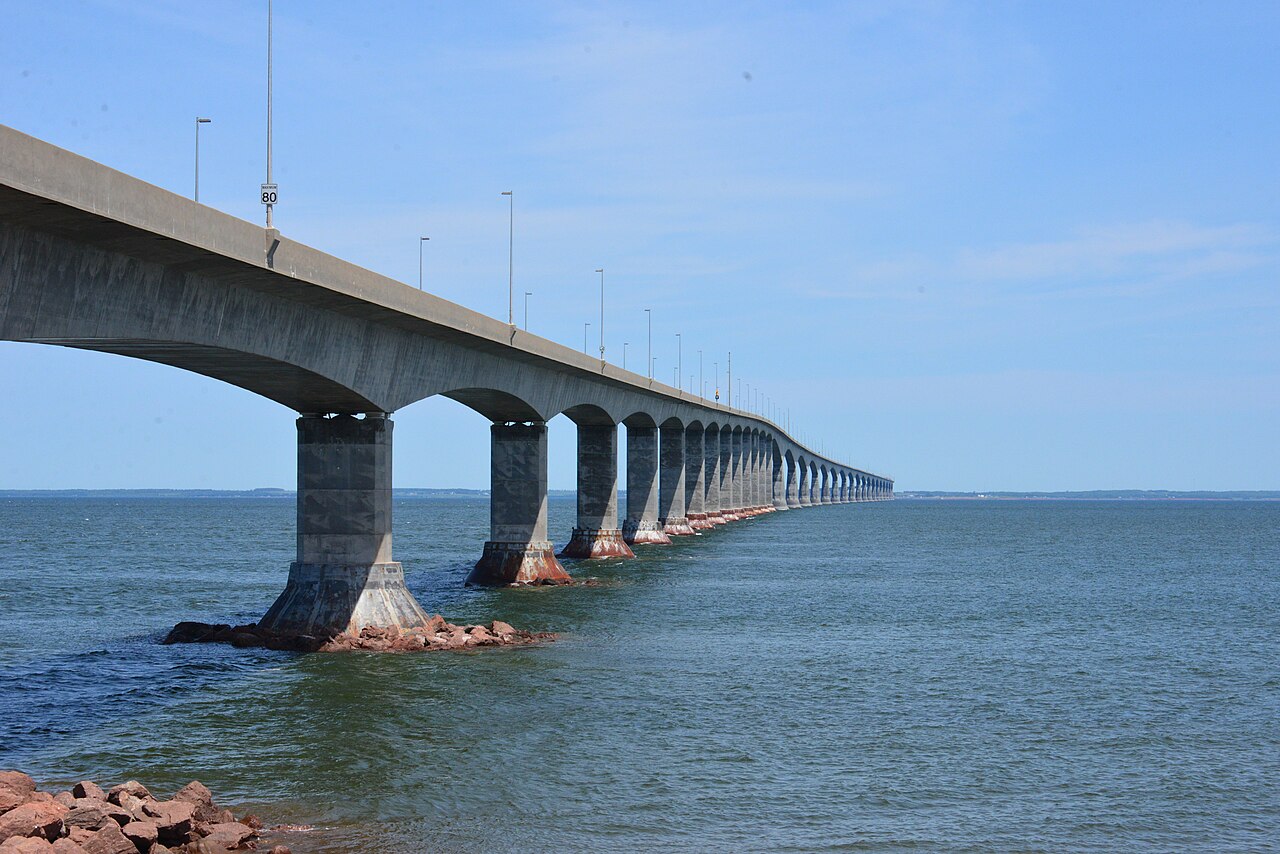
The Confederation Bridge is a box girder bridge carrying the Trans-Canada Highway across the Abegweit Passage of the Northumberland Strait, linking Prince Edward Island with New Brunswick. Opened on May 31, 1997, it is Canada's longest bridge and the world's longest bridge over ice-covered water.
- Length
- 12.9 km (42,000 ft; 8.0 mi)
- Opened
- May 31, 1997
- Construction cost
- C$1.3 billion
- Designer
- Jean M. Muller
- Type
- Multi-span balanced cantilever bridge with post-tensioned concrete box girder
- Toll (since August 2025)
- $20 per vehicle
- Speed limit
- 80 km/h (50 mph)
Verified Timeline
Lore & Background
The bridge was designed by French engineer Jean M. Muller, a specialist in multiple span match-casting bridges. Construction took place from November 1, 1993, to May 1997, costing C$1.3 billion. Before its official naming, Prince Edward Islanders often referred to it as the 'Fixed Link'. The bridge is a two-lane toll bridge, 11 metres wide, resting on 62 piers, with 44 main piers spaced 250 metres apart. Most of the curved bridge is 40 metres above water, with a 60-metre navigation span for ship traffic. The speed limit is 80 km/h, and crossing takes about 12 minutes. Tolls apply only when leaving Prince Edward Island. As of August 2025, the toll was reduced from $50.25 to $20 per vehicle following a federal subsidy. Pedestrians and cyclists are not permitted to cross, but a shuttle service is available for a fee.
Reader's Guide
The Confederation Bridge represents a critical transportation link for Prince Edward Island, fulfilling a constitutional obligation for continuous communication with the mainland that dates from the province's entry into Confederation in 1873. Its construction ended a long history of ferry and iceboat services across the Abegweit Passage, which had been unreliable, especially in winter. The bridge's design as a multi-span balanced cantilever with post-tensioned concrete box girders allowed it to span ice-covered waters, a world first. The project's cost and toll structure have been subjects of political debate, culminating in federal subsidies after the COVID-19 pandemic and Hurricane Fiona, and a significant toll reduction in 2025. The bridge remains a vital economic and social artery for Prince Edward Island, replacing the ferry service that operated from 1917 to 1997.
Did You Know?
- The Confederation Bridge is the world's longest bridge over ice-covered water.
- Before its official naming, Prince Edward Islanders often referred to the bridge as the 'Fixed Link'.
- Tolls apply only when leaving Prince Edward Island, not when entering.
- The toll was reduced from $50.25 to $20 per vehicle on August 1, 2025, following a campaign promise by Mark Carney.
- Pedestrians and cyclists are not permitted to cross the bridge, but a shuttle service is available for a fee.
Engineering & Structural Design
The Confederation Bridge is a concrete engineering achievement spanning 12.9 kilometres across the Abegweit Passage of the Northumberland Strait. French engineer Jean M. Muller, whose specialty was multi-span match-casting bridge design, conceived the structure as a post-tensioned concrete box girder erected using a balanced cantilever method. The deck is 11 metres wide and hovers roughly 40 metres above the water for most of its length, while a dedicated 60-metre navigation span rises higher to let vessels pass beneath. Sixty-two piers anchor the bridge to the seabed, the forty-four principal ones spaced 250 metres apart. Construction ran from November 1993 through May 1997 at a cost of 1.3 billion Canadian dollars. Upon opening, the span earned two superlatives: it became Canada's longest bridge and the world's longest bridge over ice-covered water. The two-lane roadway carries the Trans-Canada Highway between Borden-Carleton on Prince Edward Island and Cape Jourimain in New Brunswick, with an 80-kilometre-per-hour speed limit that may be adjusted for wind or weather. At that pace, the full crossing takes approximately twelve minutes.
The Long Road to a Fixed Link
The dream of a permanent crossing over the Northumberland Strait stretches back to the 1870s, when the provinces' railway networks were first taking shape. Prince Edward Island's 1873 entry into Confederation carried a federal obligation to maintain year-round steam service linking the island to the mainland rail system. In practice, early steamships connected Charlottetown and Georgetown with Pictou, Nova Scotia, while Summerside linked to Shediac, New Brunswick. The most direct route crossed the 13-kilometre Abegweit Passage, yet underpowered winter vessels could not break sea ice, forcing reliance on primitive iceboats for passengers and mail until a proper ferry appeared in the 1910s. In 1912 the federal government committed to a car ferry between the Capes, and a new icebreaking railcar ferry entered service in 1915, with the island-side port named Borden after Prime Minister Robert Borden. Ferry operations passed through Canadian Government Railways, Canadian National, CN Marine, and finally the Crown corporation Marine Atlantic in 1986. Election-time proposals resurfaced in the late 1950s and early 1960s, but it was a mid-1980s initiative that finally broke ground on the bridge we know today.
Tolls & the Shifting Economics of Crossing
Crossing the Confederation Bridge is a one-directional cost: tolls apply only when a vehicle leaves Prince Edward Island heading west. At the 1997 opening, a two-axle automobile paid $35, with the rate indexed to 75 percent of annual inflation. By January 2022 that figure had climbed to $50.25, plus $8.50 for each additional axle. The combined pressures of the pandemic and Hurricane Fiona prompted the federal government to subsidize toll revenue and freeze further increases. Then, as a campaign commitment fulfilled after Mark Carney's 2025 federal election victory, the federal government cut the toll to a flat $20 per vehicle effective August 1, 2025, eliminating the per-axle surcharge entirely; motorcycles pay the same $20. In the same move, the Wood Islands Ferry halved its car fare from $86 to $43, with commercial vehicles, pedestrians, motorcycles, bicycles, and fuel surcharges all reduced by half as well. The rule remains consistent regardless of route: a traveller entering by bridge and departing by ferry, or vice versa, pays only for the leg that leaves the island.
Daily Experience & Access for All Travellers
Although the bridge is a two-lane highway carrying the Trans-Canada Highway, it is not a thoroughfare for everyone. Pedestrians and cyclists are barred from walking or riding across the 12.9-kilometre span. Instead, a dedicated shuttle service ferries non-motorized travellers across. Before 2006 the shuttle was complimentary, but since January 1, 2022, it charges $4.75 per pedestrian and $9.50 per cyclist when departing the island, with baggage beyond the first bag costing $4.25 each. Motorists face an 80-kilometre-per-hour speed limit, though authorities can lower it in response to wind or adverse weather. At the posted speed, the crossing takes roughly twelve minutes from Borden-Carleton on the island's western shore to Cape Jourimain in New Brunswick. Before the structure received its official name, Islanders simply called it the Fixed Link, a pragmatic label that captured the bridge's essential purpose: ending decades of seasonal ferry dependence and giving the island a reliable, year-round road connection to the mainland.
Common Misconceptions (Editorial)
Some people believe the Confederation Bridge is the longest bridge in Canada overall, but it is specifically the longest bridge in Canada. Others think the toll applies in both directions, but tolls are only charged when leaving Prince Edward Island. Additionally, while the speed limit is 80 km/h and crossing takes about 12 minutes, some may assume pedestrians and cyclists can walk or bike across—they cannot, though a shuttle service is available.
Why It Matters (Editorial)
The Confederation Bridge is more than an engineering marvel; it is a vital economic and social link for Prince Edward Island, ending the province’s historic isolation by ferry. Its endurance as the world’s longest bridge over ice-covered water reflects both human ingenuity and the ongoing public investment needed to sustain critical infrastructure for remote communities.
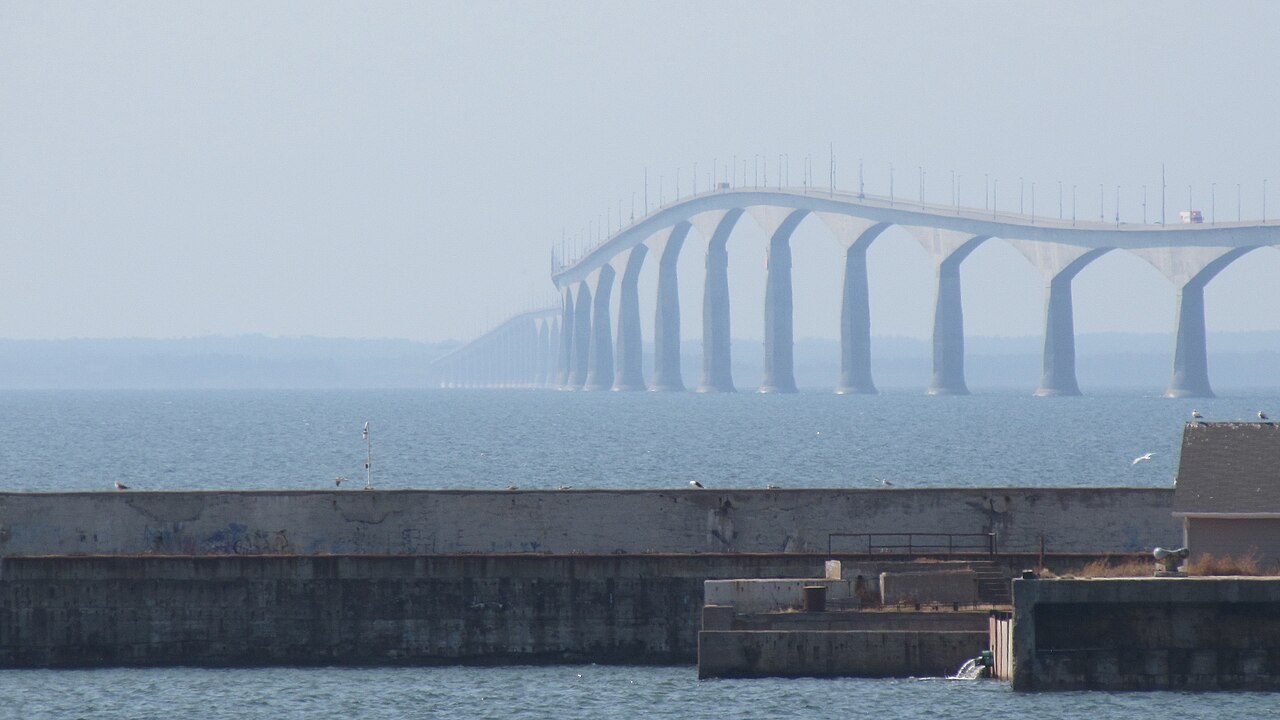
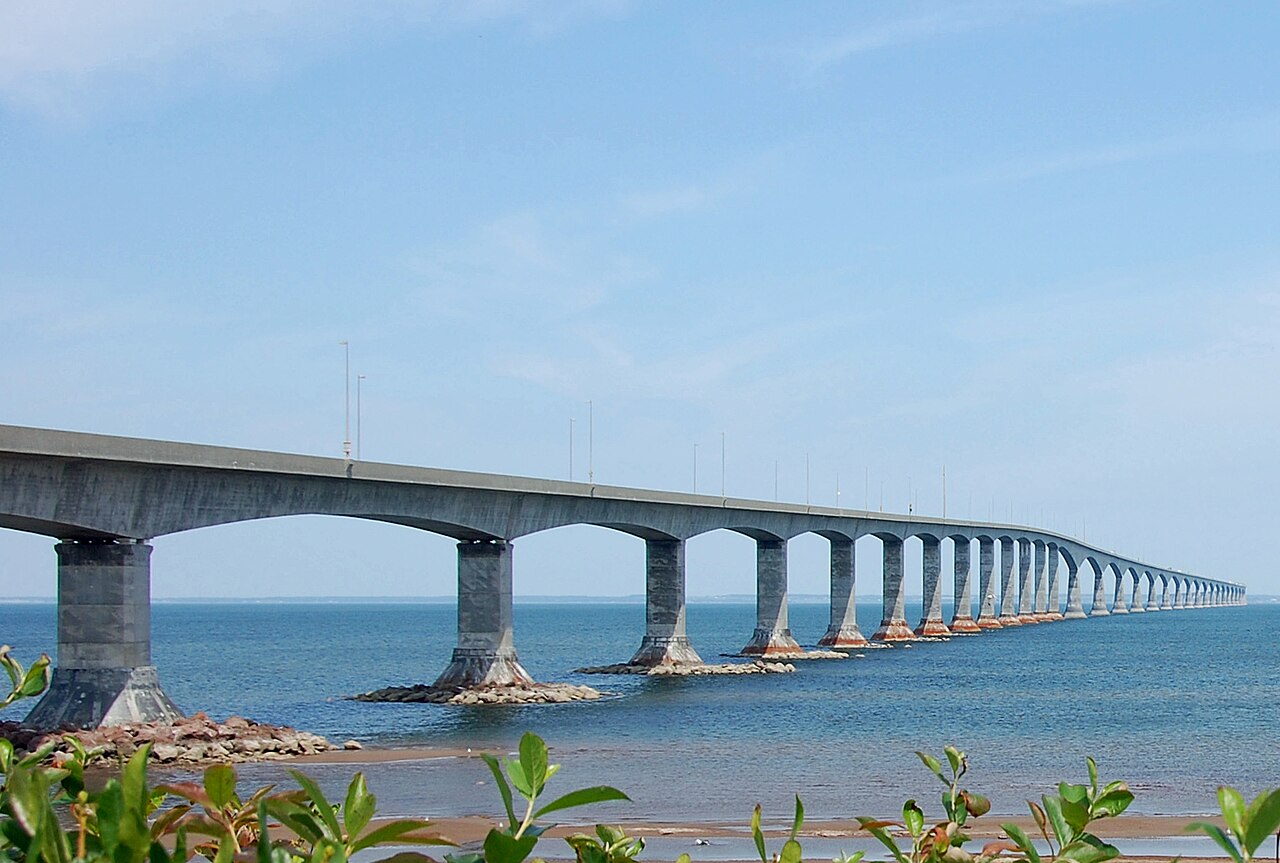
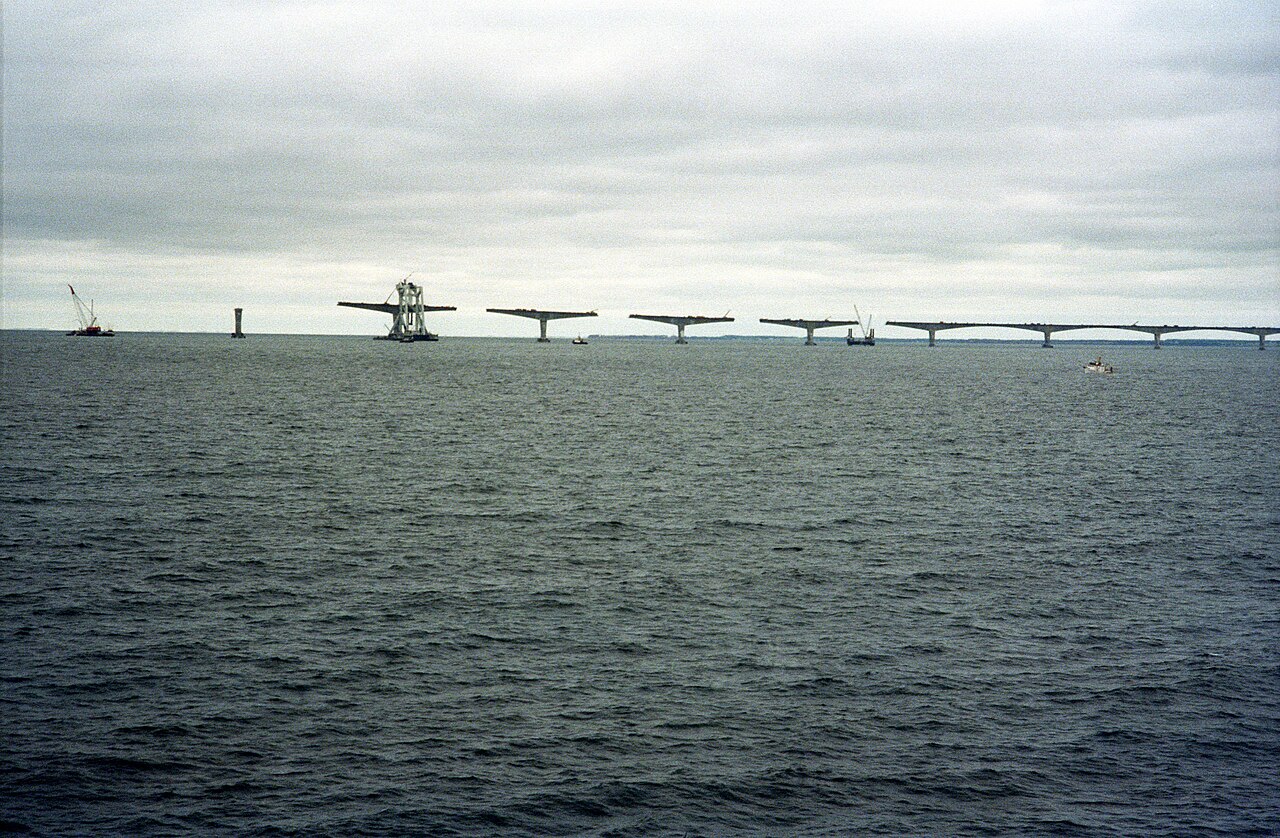
Gallery
Frequently Asked Questions
What is the Confederation Bridge?
It is a box girder bridge that carries the Trans-Canada Highway across the Abegweit Passage of the Northumberland Strait, linking Prince Edward Island to New Brunswick. The structure opened to traffic on May 31, 1997.
What makes the Confederation Bridge unique among world bridges?
At 12.9 kilometres (about 8 miles) long, it holds the record as Canada's longest bridge. It is also the world's longest bridge spanning ice-covered water, a distinction no other crossing matches.
Who designed the Confederation Bridge and what type of structure is it?
Jean M. Muller was the designer behind the project. The bridge is a multi-span balanced cantilever structure built with a post-tensioned concrete box girder.
How much did it cost to build the Confederation Bridge?
The total construction cost came to roughly C$1.3 billion. The finished span was officially opened on May 31, 1997.
Is there a toll to cross the Confederation Bridge?
Yes. As of August 2025, drivers pay a toll of $20 per vehicle to cross the bridge.
More in Great Bridges 1-22
Spotted an error? Know more?
This is a living reference — every entry is fact-audited, and reader corrections feed straight into our audit queue. Suggest an edit · See this site's audit record