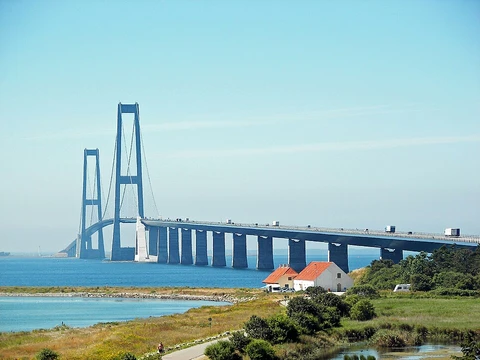
Tower Bridge
A Grade I listed London landmark opened in 1894.

via Wikipedia: Tower Bridge · see source
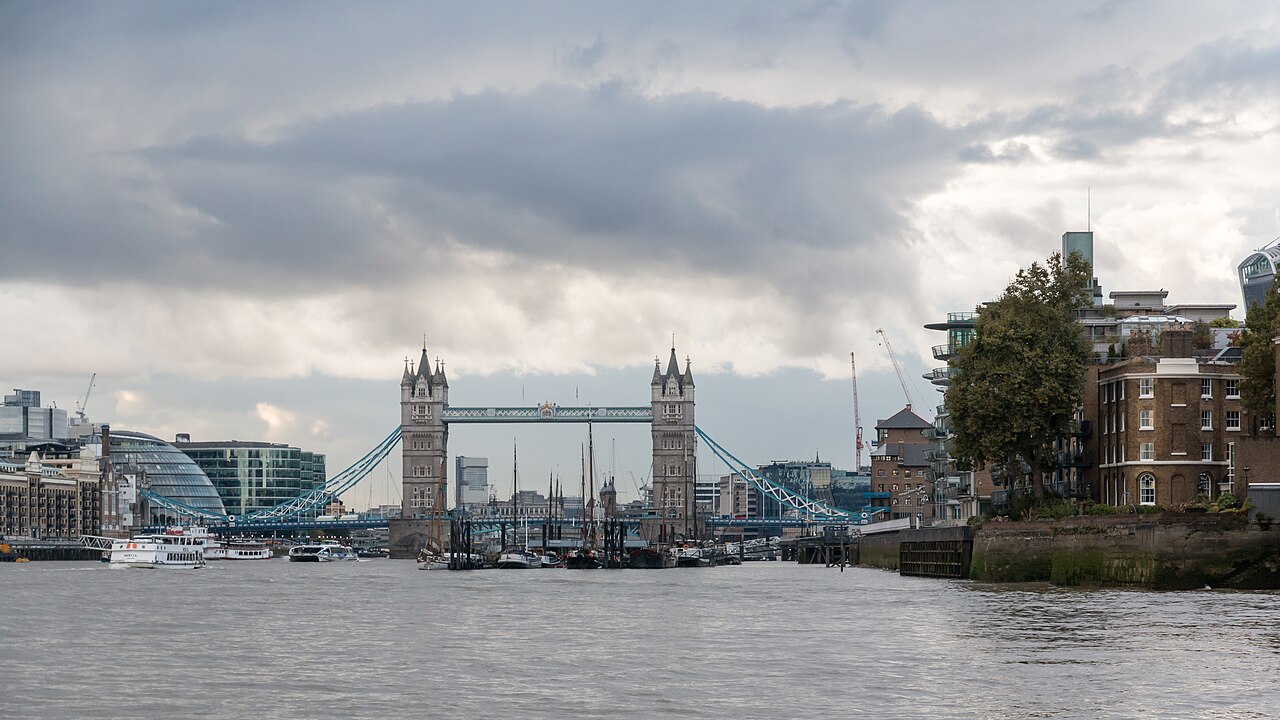
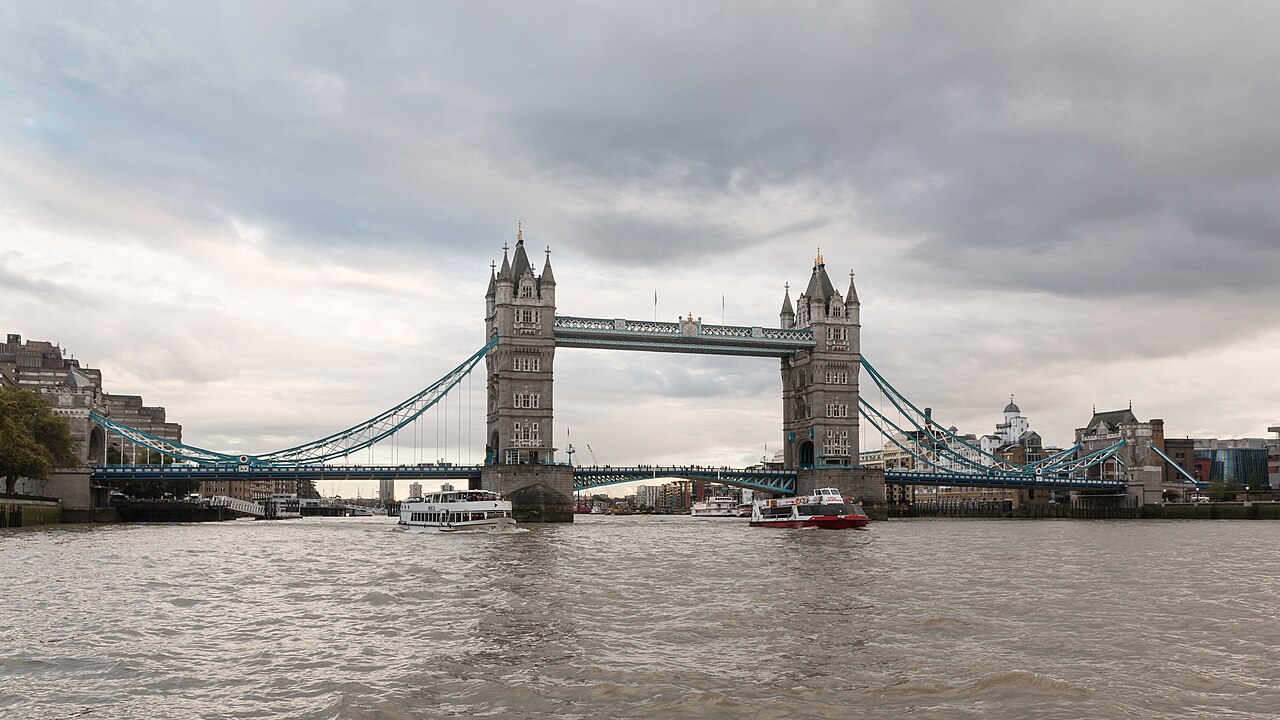
Tower Bridge is a Grade I listed combined bascule, suspension, and, until 1960, cantilever bridge in London, built between 1886 and 1894. Designed by Horace Jones and engineered by John Wolfe Barry with the help of Henry Marc Brunel, it crosses the River Thames close to the Tower of London. It is one of five London bridges owned and maintained by the City Bridge Foundation, a charitable trust founded in 1282. The bridge was constructed to connect the 39% of London's population that lived east of London Bridge while allowing shipping to access the Pool of London between the Tower of London and London Bridge.
- type
- Combined bascule, suspension, and, until 1960, cantilever bridge
Verified Timeline
Lore & Background
By the late 19th century, population and commercial development in the East End of London increased demand for a new river crossing downstream of London Bridge. A traditional fixed bridge could not be built because it would cut off sailing ships' access to the Pool of London. A Special Bridge or Subway Committee chaired by Sir Albert Joseph Altman was formed in December 1875. More than fifty designs were submitted, including one from Sir Joseph Bazalgette, which was rejected due to insufficient headroom. On 24 July 1884, the Bridge House Estates Committee proposed a low-level bridge with mechanical openings. Following a deputation visiting Belgium, Holland, and Newcastle Bridge, Design C, a bascule bridge, was recommended and a bill was prepared for Parliament. The act of Parliament authorising construction received royal assent on 14 August 1885 and is called the Corporation of London (Tower Bridge) Act 1885.
Reader's Guide
Tower Bridge has become a recognisable London landmark, sometimes confused with London Bridge about 0.5 miles upstream, which has led to a persistent urban legend about an American purchasing the wrong bridge. It remains an important traffic route with 40,000 crossings every day and is part of the London Inner Ring Road and boundary of the London congestion charge zone. The bridge deck is freely accessible to vehicles and pedestrians, while the twin towers, high-level walkways, and Victorian engine rooms form part of the Tower Bridge Exhibition. Originally hydraulically powered, the operating mechanism was converted to an electro-hydraulic system in 1972. The bridge's construction was funded by the City Bridge Foundation, a charity established in 1282 for maintenance of London Bridge that later expanded to cover Tower Bridge, Blackfriars Bridge, Southwark Bridge and the Millennium Bridge.
Did You Know?
- The bridge was opened by Edward, Prince of Wales, and Alexandra, Princess of Wales, on 30 June 1894.
- The operating mechanism was originally hydraulically powered and was converted to an electro-hydraulic system in 1972.
- The bridge is 940 feet (290 m) in length including the abutments.
- The act of Parliament authorising construction specified that the design should be made to accord with the architecture of the Tower of London.
- The total cost of construction was £1,184,000 (equivalent to £133 million in 2025).
Solving the East End Dilemma
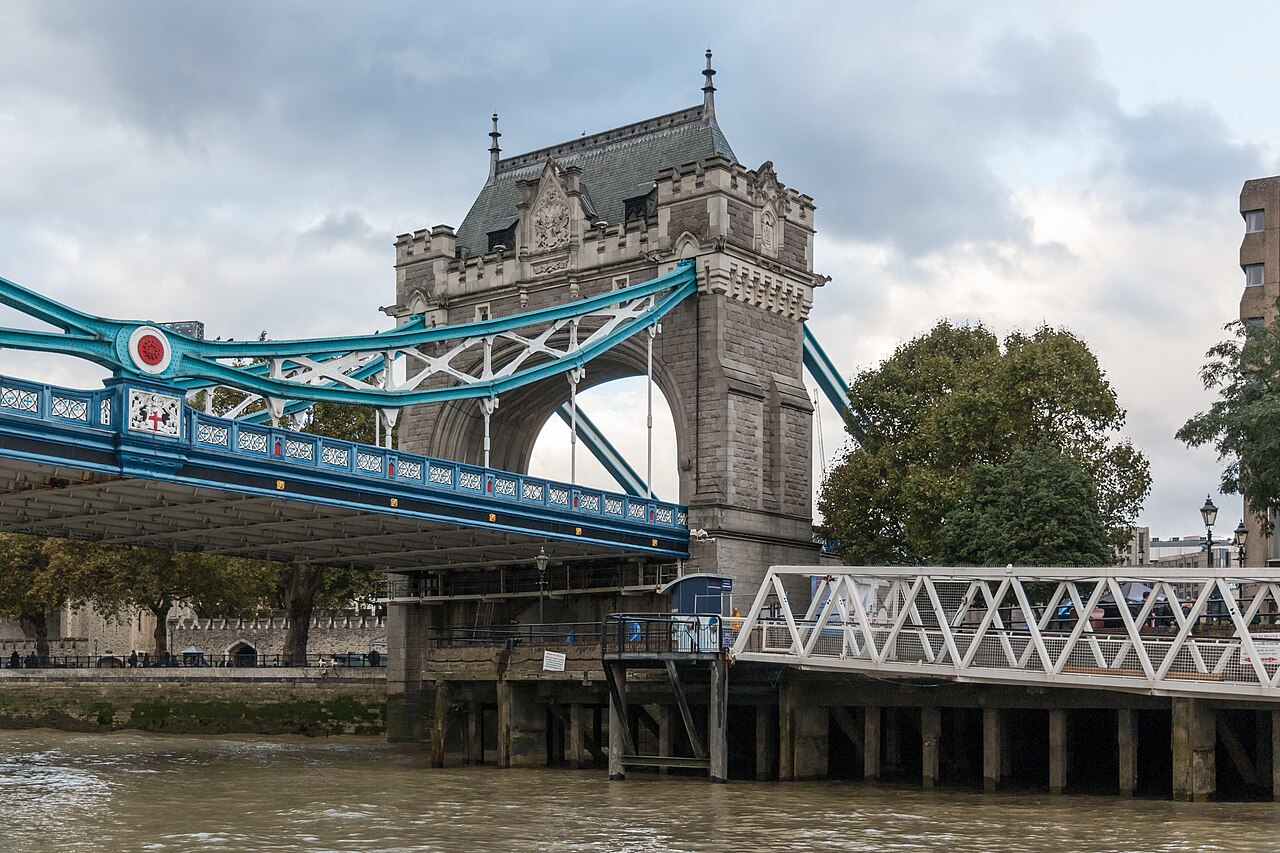
By the late 1800s, nearly 39 percent of London's residents lived east of the existing London Bridge—a population the contemporary press likened to 'Manchester on the one side, and Liverpool on the other.' Yet a conventional fixed crossing at street level was simply impossible: it would have severed sailing vessels' access to the Pool of London, the bustling stretch of river between London Bridge and the Tower. A Special Bridge or Subway Committee, chaired by Sir Albert Joseph Altman, was convened in December 1875 to find a workable answer. More than fifty proposals were tabled, including one from Sir Joseph Bazalgette, but none satisfied the requirements. After a deputation toured Belgium, Holland, and Newcastle Bridge, the Bridge House Estates Committee settled on a bascule design—Design C—over two swing-bridge alternatives. The resulting structure paired two 213-foot towers linked by upper-level walkways with a central pair of opening leaves, while the flanking spans were carried as suspension bridges with rods anchored both at the abutments and through rods contained in the bridge's upper walkways. Originally driven by hydraulic machinery, the lifting mechanism was later converted to an electro-hydraulic system in 1972.
Parliamentary Blueprint & Military Ambitions
The Corporation of London (Tower Bridge) Act 1885, which received royal assent on 14 August 1885, read almost like an engineering specification. It fixed the central opening at 200 feet of clear width and demanded 135 feet of height above Trinity high water when the leaves were raised, while the closed deck sat just 29 feet above the river. Piers were prescribed at 185 feet long and 70 feet wide, each side span at 270 feet, and a 160-foot clear waterway had to remain open for shipping throughout the build. The act also required the structure's appearance to accord with the architecture of the Tower of London and stipulated that the bridge must open at any time for the passage of any vessels, regardless of any delays to land traffic. Curiously, the legislation initially contemplated mounting guns and garrisoning the structure; although that military purpose was to a great extent discarded, the act still reserved to the senior officer commanding in the Tower the right to occupy the Tower Bridge whenever needed. The four-year completion deadline proved unrealistic, and two further acts—the Corporation of London (Tower Bridge) Act 1889 and the Corporation of London (Tower Bridge) Extension of Time Act 1893—were required to extend the timeline. Schedule B of the original act catalogued eleven active docks, quays, and wharfs on the north bank and twenty on the south, underscoring just how vital the Pool of London trade was to the city's economy.
Eight Years of Iron and Steam
Construction was financed by the City Bridge Foundation, a charity established in 1282 for maintenance of London Bridge that subsequently expanded to cover Tower Bridge, Blackfriars Bridge, Southwark Bridge and the Millennium Bridge. Sir John Wolfe Barry served as engineer and Sir Horace Jones the architect; Jones, who held the post of City Architect, was also one of the judges. With Henry Marc Brunel contributing to the engineering, the team produced a design that married Jones's ornamental vision with Barry's structural ingenuity. Work was overseen on site by Edward Cruttwell and divided into eight contracts, three of which were won by the firm of Mr (later Sir) John Jackson. The foundation stone was laid by the Prince of Wales on 21 June 1886, and the physical build commenced on 22 April 1886. Eight years of labour later, the bridge was formally opened on 30 June 1894 by Edward, Prince of Wales, and Alexandra, Princess of Wales. The total cost of construction was £1,184,000. On average 432 people worked on the site, although at least 1,200 worked on its construction overall. Cruttwell noted that there were 'only' ten fatal accidents during the construction: four in sinking the foundations, one on the approaches, and the remaining five on the superstructure. Today the 940-foot structure carries roughly 40,000 crossings every day as part of the London Inner Ring Road and forms the boundary of the congestion-charge zone. While the deck remains open to both vehicles and pedestrians on a free basis, the twin towers, high-level walkways, and the original Victorian engine rooms are now accessible to the public through the Tower Bridge Exhibition.
A Landmark and Its Legend
Tower Bridge holds Grade I listed status and has become one of the most instantly recognisable symbols of London. Yet its very fame has bred a persistent mix-up: many people, both domestic and international, conflate it with London Bridge, which sits roughly 0.5 miles upstream. This confusion has given rise to a long-running urban legend that an American buyer once purchased the wrong bridge. The truth, of course, is that the two structures are entirely separate, and the 1885 act itself was specific about the design of what it (and contemporary media) named 'The Tower Bridge', rather than just 'Tower Bridge.' The bridge's cultural footprint extends well beyond its traffic function. It anchors the Tower Bridge Exhibition, drawing visitors into the Victorian engine rooms and across the high-level walkways that connect the two towers. As one of the five London bridges under the stewardship of the City Bridge Foundation, it occupies a unique position in the city's infrastructure—part working river crossing, part architectural monument, and part of the daily rhythm of a metropolis that has grown around it for more than a century.
Common Misconceptions (Editorial)
A common misconception is that Tower Bridge is a drawbridge, but it is actually a combined bascule, suspension, and, until 1960, cantilever bridge. Another is that it was designed solely by Horace Jones, whereas it was also engineered by John Wolfe Barry with the help of Henry Marc Brunel. Some also assume the bridge was always electrically operated, but its original mechanism was hydraulically powered, only converting to an electro-hydraulic system in 1972.
Why It Matters (Editorial)
Tower Bridge endures as both a vital piece of urban infrastructure and a global symbol of London’s industrial ambition. Its engineering ingenuity—balancing the needs of river traffic and a growing population—reflects a city determined to adapt without sacrificing its historic character, a tension that remains relevant in urban planning today.
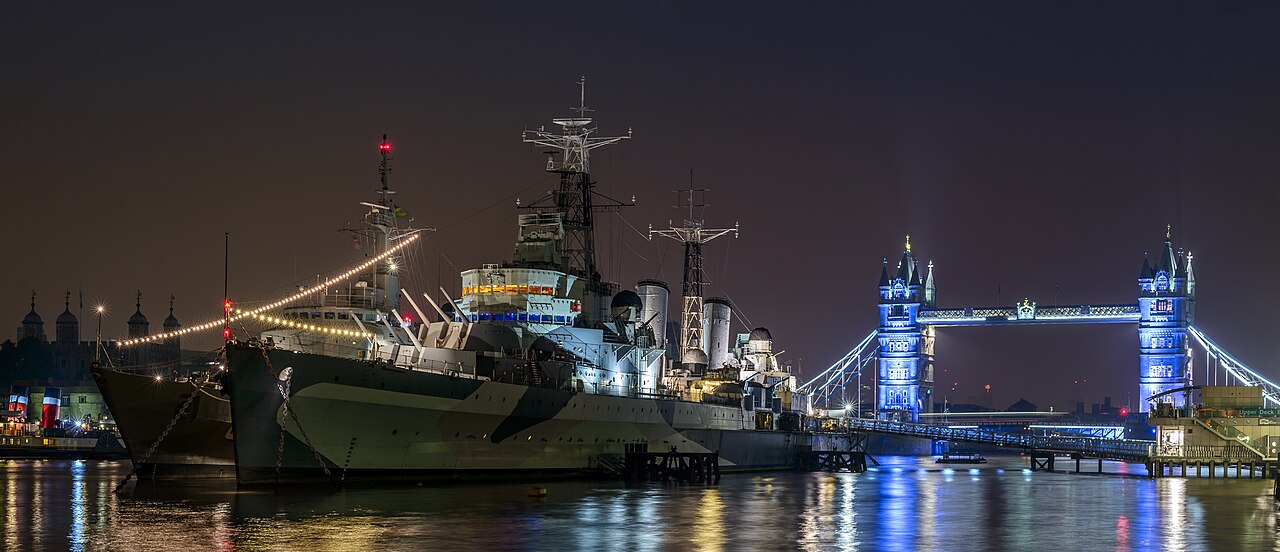
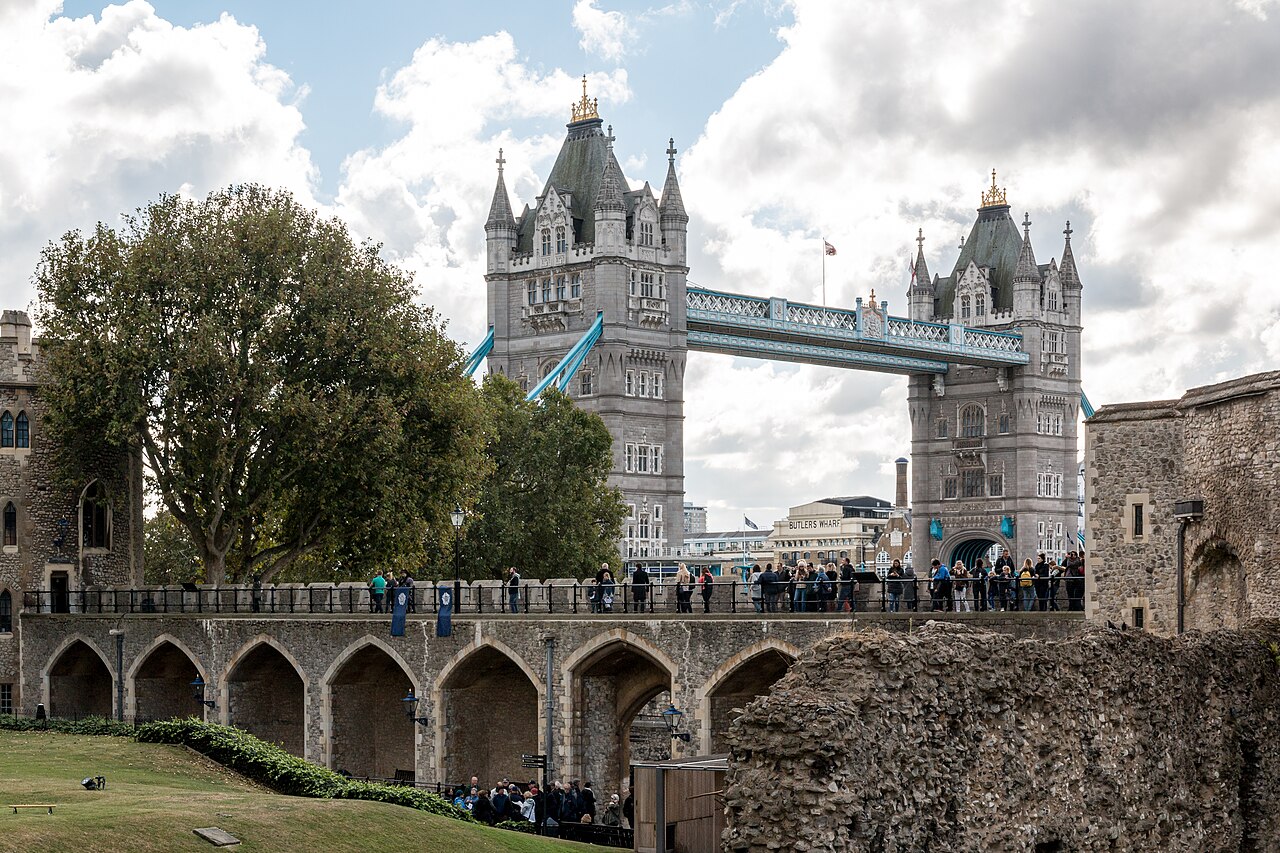
Gallery
Frequently Asked Questions
What is Tower Bridge?
Tower Bridge is a combined bascule and suspension bridge that spans the River Thames in London, positioned close to the Tower of London. It was built between 1886 and 1894 to provide a new crossing for the growing eastern population while keeping the Pool of London accessible to ships.
Who designed and engineered Tower Bridge?
Architect Horace Jones created the bridge's design, and John Wolfe Barry led the engineering work with assistance from Henry Marc Brunel. The finished structure was opened to the public in 1894.
Why was Tower Bridge built in the first place?
The population east of the older London Bridge was expanding rapidly and needed a reliable new crossing. The combined bascule-and-suspension design solved the dual problem of carrying road and foot traffic while still allowing vessels to reach the Pool of London.
What is Tower Bridge's current status and who looks after it?
The bridge carries a Grade I listed designation as a major London landmark. It is owned and maintained by the City Bridge Foundation, a charitable trust whose roots go back to 1282, and it is one of five London bridges under that trust's care.
What makes Tower Bridge's engineering type unique among London crossings?
Unlike a simple fixed span, Tower Bridge combines a bascule mechanism with suspension elements, letting the central section lift to clear river traffic. This hybrid approach was the defining engineering choice that set it apart from the other bridges the City Bridge Foundation manages.
More in Great Bridges 1-22
Spotted an error? Know more?
This is a living reference — every entry is fact-audited, and reader corrections feed straight into our audit queue. Suggest an edit · See this site's audit record