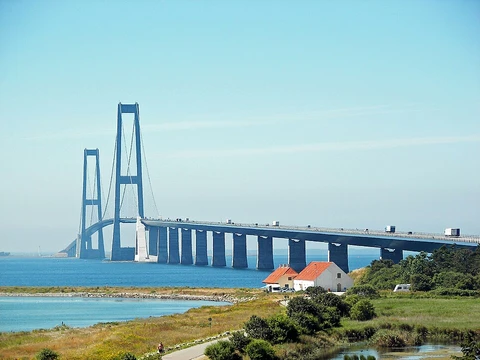
The Chain Bridge
First permanent bridge across the Danube in Hungary.

Ruth Sharville · CC BY-SA 2.0
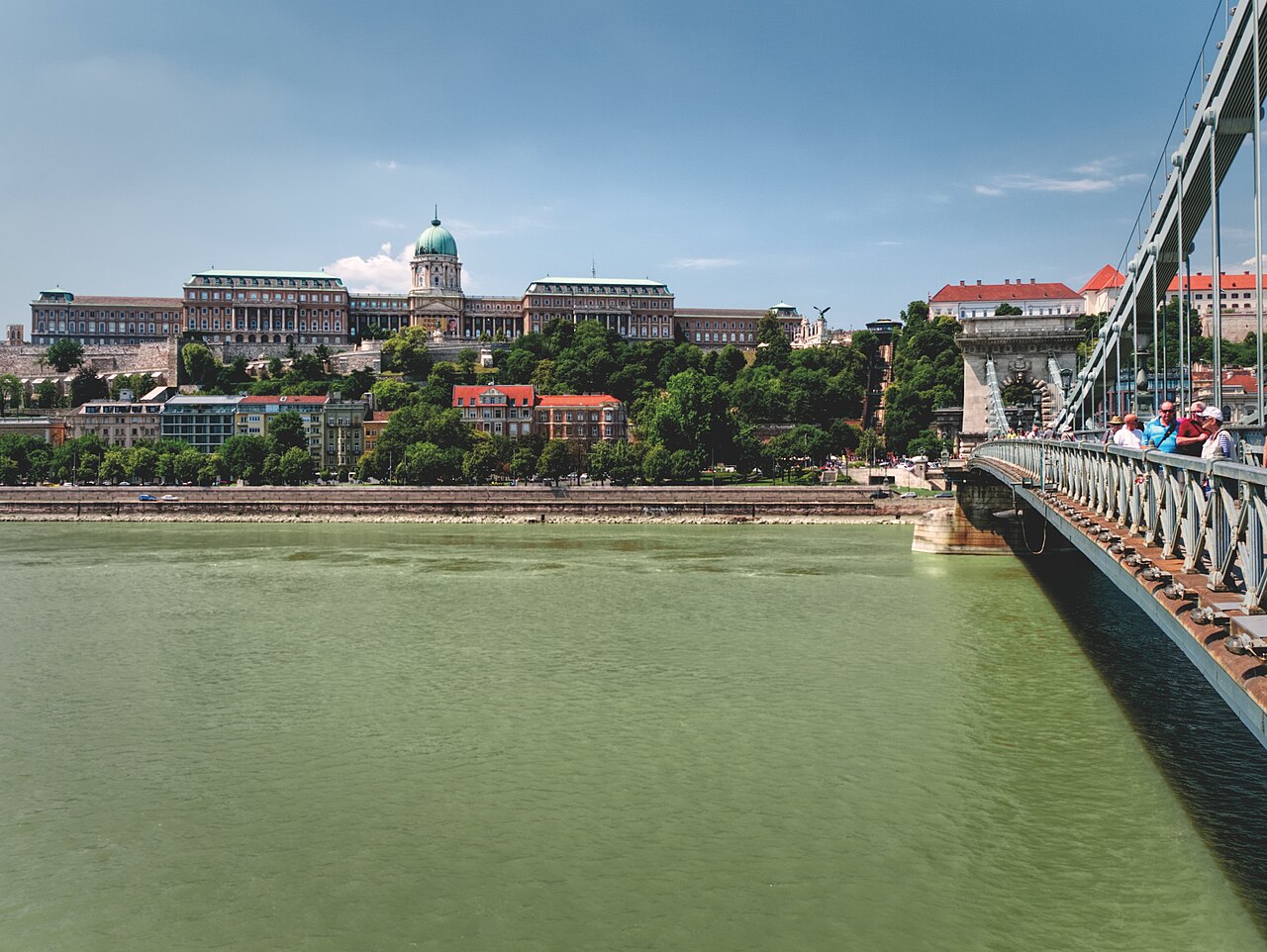
The Széchenyi Chain Bridge is a chain bridge spanning the River Danube between Buda and Pest in Budapest, Hungary.
- Type
- Chain bridge
- Location
- Budapest, Hungary (between Buda and Pest)
- Designer
- William Tierney Clark (English engineer)
- Builder
- Adam Clark (Scottish engineer)
- Namesake
- István Széchenyi
Lore & Background
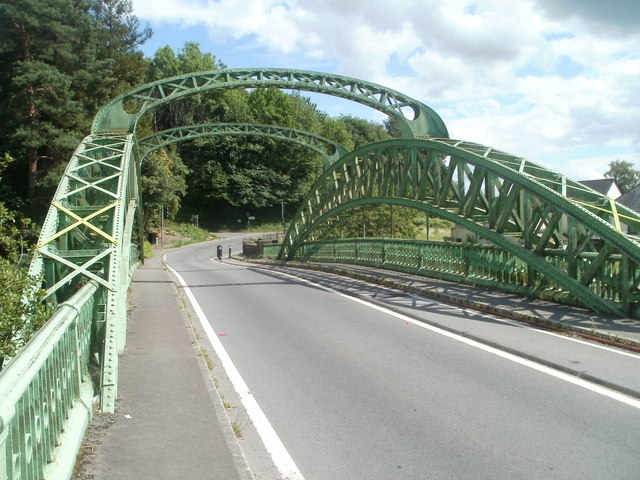
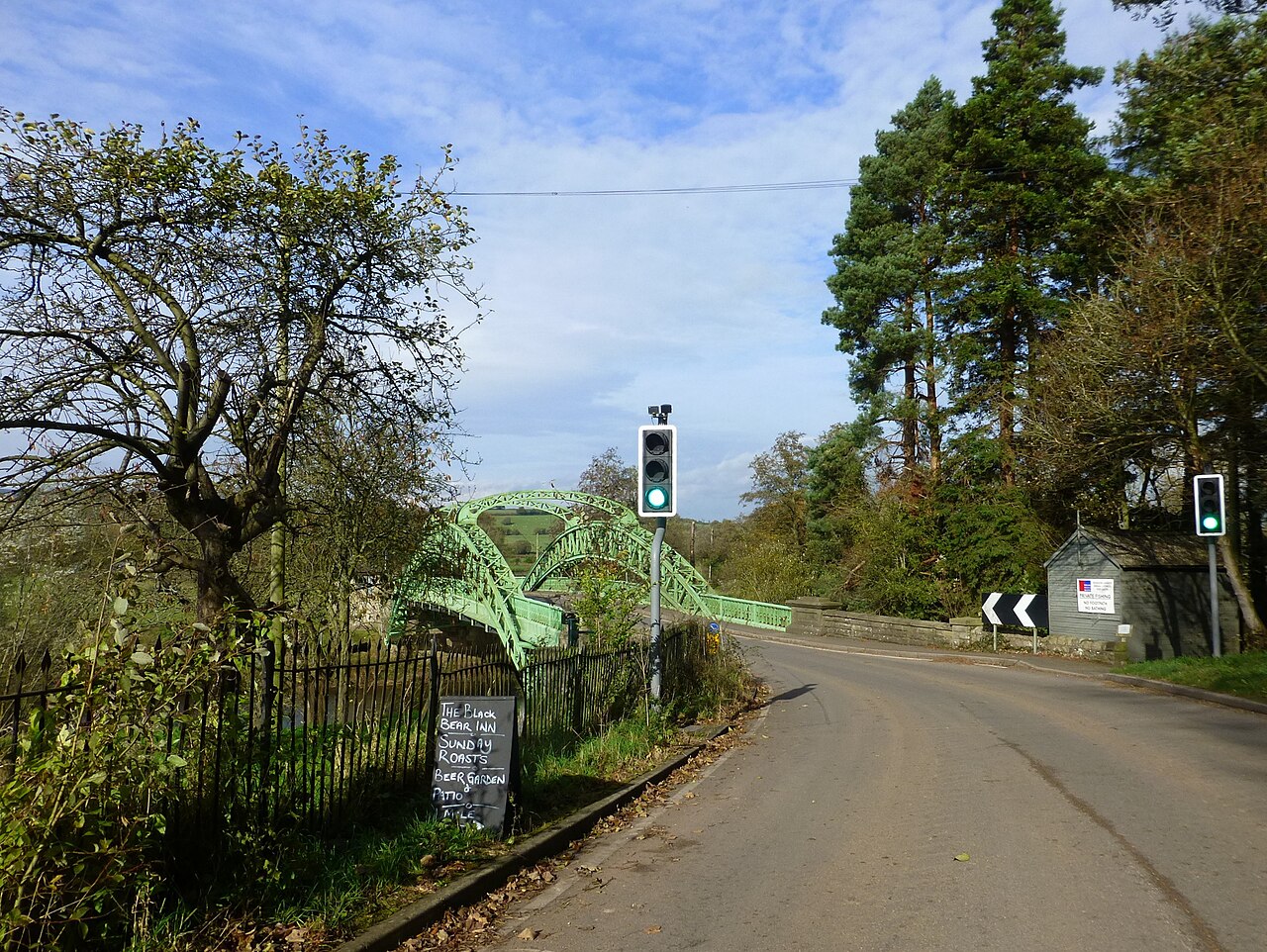
It is a larger-scale version of William Tierney Clark's earlier Marlow Bridge in England, and was shipped in sections from the United Kingdom for final construction. The bridge was funded considerably by Greek merchant Georgios Sinas, whose name is inscribed on the south-western foundation on the Buda side.
Reader's Guide
The Széchenyi Chain Bridge is a landmark of 19th-century engineering and a symbol of Budapest. As the first permanent bridge across the Danube in Hungary, it connected the cities of Buda and Pest, fostering urban and economic integration. Its construction involved notable figures: English designer William Tierney Clark, Scottish builder Adam Clark, and financier Georgios Sinas. It underwent renovations from March 2021 to August 2023. A Hungarian legend about its lions lacking tongues is false; the tongues are simply not visible.
Did You Know?
- The bridge was designed in sections and shipped from the United Kingdom to Hungary for final construction.
- In 2001, Hungarian stunt pilot Péter Besenyei flew upside down under the bridge, a maneuver now standard in Red Bull air races.
- A Hungarian legend claims the bridge's stone lions have no tongues, but this is not true—the tongues are just not visible.
Engineering Against the River
That angular shift was not an aesthetic choice but a practical necessity discovered during construction. A water intake facility and sections of river-bed bedrock that could not support the bridge's load forced engineers to redirect the structure mid-crossing. The eastern anchor sits on Chouteau Island, part of Madison, Illinois, while the western end meets the Missouri bank. The site itself had deep institutional roots: the St. Despite engineers warning that ten lives would be lost during construction, the toll was remarkably low: a single worker died. The bridge was eventually handed over to the city of Madison, Illinois, which remains its owner today.
A Name Born of Dangerous Waters
The bridge takes its name from the Chain of Rocks, a stretch of rocky rapids and shoals that made that particular reach of the Mississippi notoriously treacherous for river traffic. Beginning just north of St. Louis, the Chain of Rocks Reach stretched for seventeen miles of exposed rock ledges that posed a serious hazard to navigation. Paul, Minnesota, all the way down to New Orleans. In response, the U.S. Army Corps of Engineers undertook a major project in the late 1940s and early 1950s, constructing an 8.4-mile canal to bypass the dangerous ledges entirely. A non-movable low-water dam, designated Dam No. 27 and commonly called the Chain of Rocks Dam, was built just downstream of the bridge, while a lock at the canal's southern end—Locks No. 27, or the Chain of Rocks Lock—regulated water levels. Today, thanks to the low-water dam completed in the 1960s, the original rocky shoal is barely visible except during periods of extreme low water.
From Highway to Haunted Span
For decades the Chain of Rocks Bridge served as a vital motor route. In the late 1930s, Bypass U.S. Route 66 was designated across the span, routing traffic around the northern and western edges of St. Louis to avoid the downtown core, while the city's own US 66 continued over the MacArthur Bridge. What followed was nearly three decades of limbo. Demolition appeared the most probable fate, yet the prohibitive cost of tearing it down kept the structure standing indefinitely. During that uncertain period the bridge acquired a grim reputation for crime and violence, most tragically marked by the April 1991 murder of sisters Julie and Robin Kerry.
A Second Life as Greenway
The bridge's transformation from a forgotten, crime-tainted structure into a celebrated recreational asset began in 1998, when it was leased to Trailnet, a local trails organization. Over the following years, four and a half million dollars went into renovating the span for walking and cycling. In December 2014, Trailnet passed the lease to the Great Rivers Greenway District, which has maintained the bridge and the Missouri-side surroundings ever since. The structure now anchors the northern terminus of the Mississippi Greenway, and its former approach road is known as Chain of Rocks Road, ending near Roman Road, with parking available at the pedestrian entrance. Recognition followed: the bridge was listed on the National Register of Historic Places in 2006.
Common Misconceptions (Editorial)
Some people believe the stone lions on the Chain Bridge have no tongues, but the tongues are simply not visible from ground level—they do exist, according to legend and fact. Also, while the bridge is named after István Széchenyi, it is a misconception that he designed it; the designer was English engineer William Tierney Clark.
Why It Matters (Editorial)
The Széchenyi Chain Bridge endures as a symbol of Hungarian innovation and international collaboration, linking Buda and Pest both physically and culturally. Its story—designed by an Englishman, built by a Scotsman, and funded by a Greek merchant—demonstrates how infrastructure can unite diverse contributors, while its legacy in aviation lore and urban legend keeps it alive in the public imagination.
Gallery

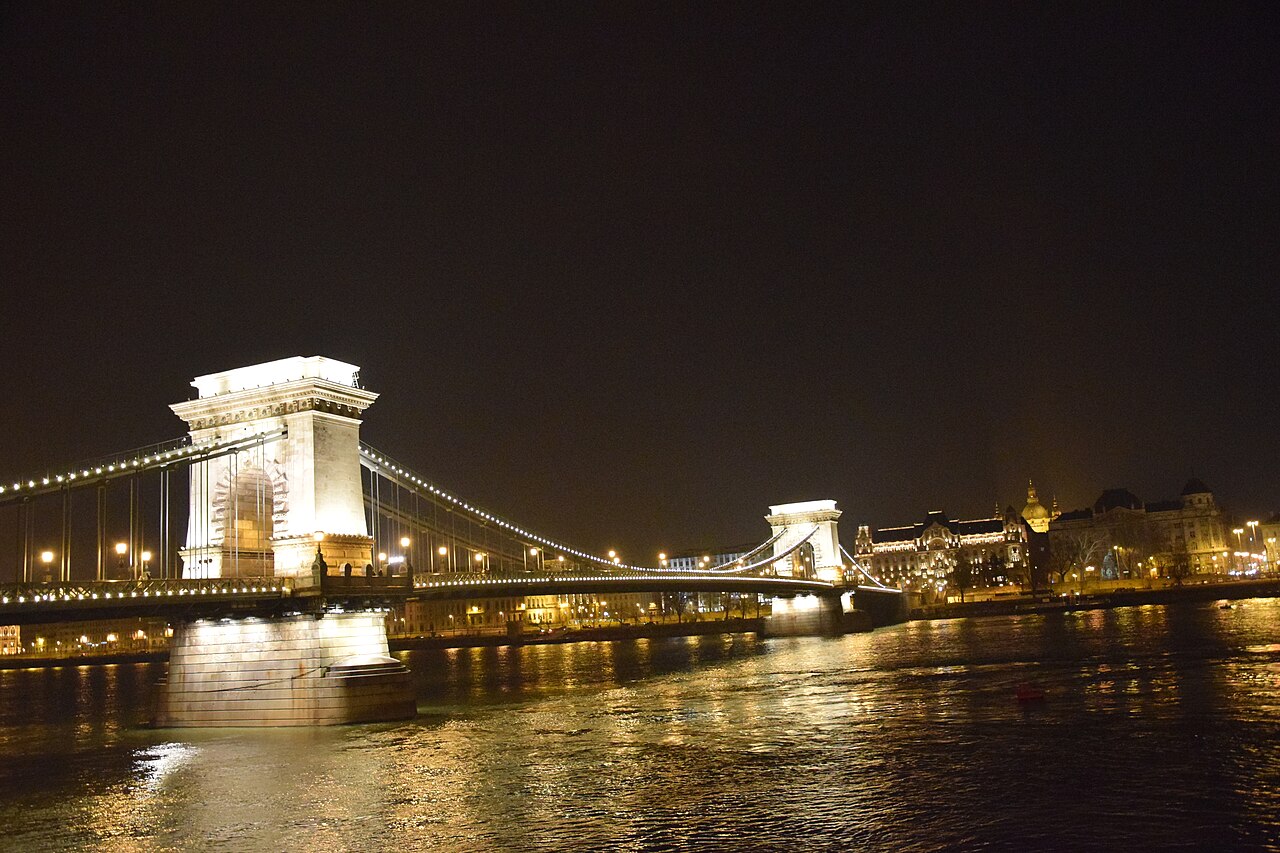
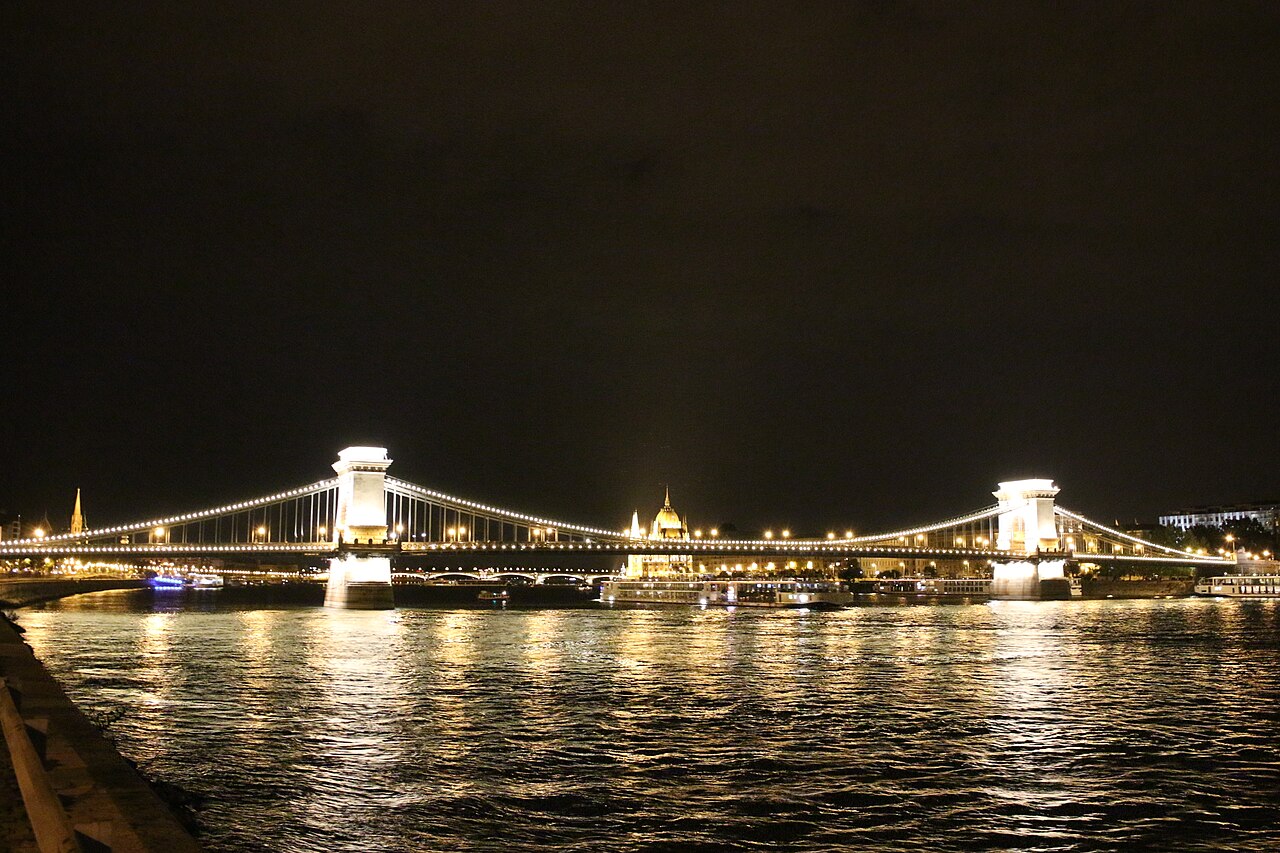
Frequently Asked Questions
Who is The Chain Bridge?
The Chain Bridge is a chain-stay bridge that crosses the Danube in Budapest, physically joining the Buda and Pest sides of the city. Its main span stretches roughly 202 metres, and its iron chains and stone towers have made it one of the most recognizable structures in Central Europe.
What are The Chain Bridge's powers/role?
Its defining role is that it was the very first fixed, permanent crossing of the Danube within Hungary, ending centuries of reliance on ferries and seasonal ice roads. By permanently stitching Buda and Pest together, it turned two rival towns into a single functioning capital.
Why is The Chain Bridge important?
Before its completion, Buda and Pest were effectively separate settlements divided by a wide river, and the Chain Bridge was the first structure to permanently bridge that gap. It set the engineering and political template for every subsequent Danube crossing in Hungary and remains the city's most iconic landmark.
Who designed and built The Chain Bridge?
The overall engineering design came from Englishman William Tierney Clark, while the on-site construction was overseen by his Scottish associate Adam Clark. Their partnership blended British chain-bridge expertise with the specific demands of a growing Hungarian capital.
More in Great Bridges 1-22
Spotted an error? Know more?
This is a living reference — every entry is fact-audited, and reader corrections feed straight into our audit queue. Suggest an edit · See this site's audit record